Painting a Home in the Rideau Valley: What Changes Outside the City
Quick Answer: The Rideau Valley villages south of Ottawa (Manotick, Kars, North Gower, Osgoode, Greely, Kemptville and Richmond on the Jock River) put three pressures on paint that city homes feel less: damp air off the river, full sun and wind on open lots, and older farmhouses with many layers of old paint. A finish that lasts out here starts with a proper wash, dry wood, testing old paint before sanding, and booking inside the May to early October window. Plan the job around the property, not just the walls.
Drive south out of Barrhaven and the houses change. Lots get bigger, driveways get longer, and the homes range from 19th-century farmhouses to new builds on an acre or more. The Rideau River runs through the middle of it all on its way north to Ottawa, along the same waterway as the Rideau Canal, a UNESCO World Heritage Site.
We paint, stain and wash homes across these villages, and the work is different from a semi in the city. This guide covers what changes and what to plan for. If you live in Manotick, our guide to exterior paint in Manotick goes deeper on that village's decks and siding.
1. Which villages we mean
"Rideau Valley" isn't a single town on a map. It's how people here describe the string of villages along the river and the farmland around them:
- Manotick, a Rideau River village just south of Barrhaven, in Rideau-Jock Ward.
- Kars, a village on the Rideau River, also in Rideau-Jock Ward.
- North Gower, a small rural village between Richmond and Kemptville, originally part of North Gower Township.
- Osgoode, a farming village about 2 km east of the river, off Rideau Valley Drive South.
- Greely, one of Ottawa's largest rural villages, along Bank Street.
- Kemptville, a growing community in North Grenville, near the river about 55 km south of downtown.
- Richmond, a village founded in 1818 on the Jock River, which flows into the Rideau.
The housing differs village to village: older stock near the river and in the village cores, newer estate builds in Greely and on the edges of Manotick and Kemptville. The conditions below apply to all of them.
2. River damp and shade: wash before anything else
Low ground near the river holds moisture longer in spring and fall, and morning fog is common. North-facing siding, soffits and shaded decks pick up green algae and black mildew faster than they would in the city.
Paint or stain over that growth and the new coat goes on dirty. It bonds poorly and the staining can show through within a season or two. So every exterior job out here starts with pressure washing, and on siding that usually means a soft wash: a cleaning solution applied at low pressure that kills the growth, then a gentle rinse. High pressure is for sound wood and concrete, never for vinyl seams or old, soft cedar.
On a rural property, ask where the rinse water goes. Many homes in these villages are on a well and septic system. Cleaning runoff should be kept away from the wellhead and the septic bed, and the cleaner itself should be one that's safe to use near them. It's a fair question to ask any contractor before they start.
3. Open lots: sun and wind do the most damage
Homes in town shade each other. A house on an acre in Osgoode or North Gower usually has nothing to its south and west but open field. The south and west walls, and any deck facing that way, take the full sun all summer and the full wind all winter.
That shows up in a few ways:
- Faster fading on dark colours. Darker siding and trim colours fade and chalk soonest on sun-facing walls. Lighter or mid-tone colours hold up better there.
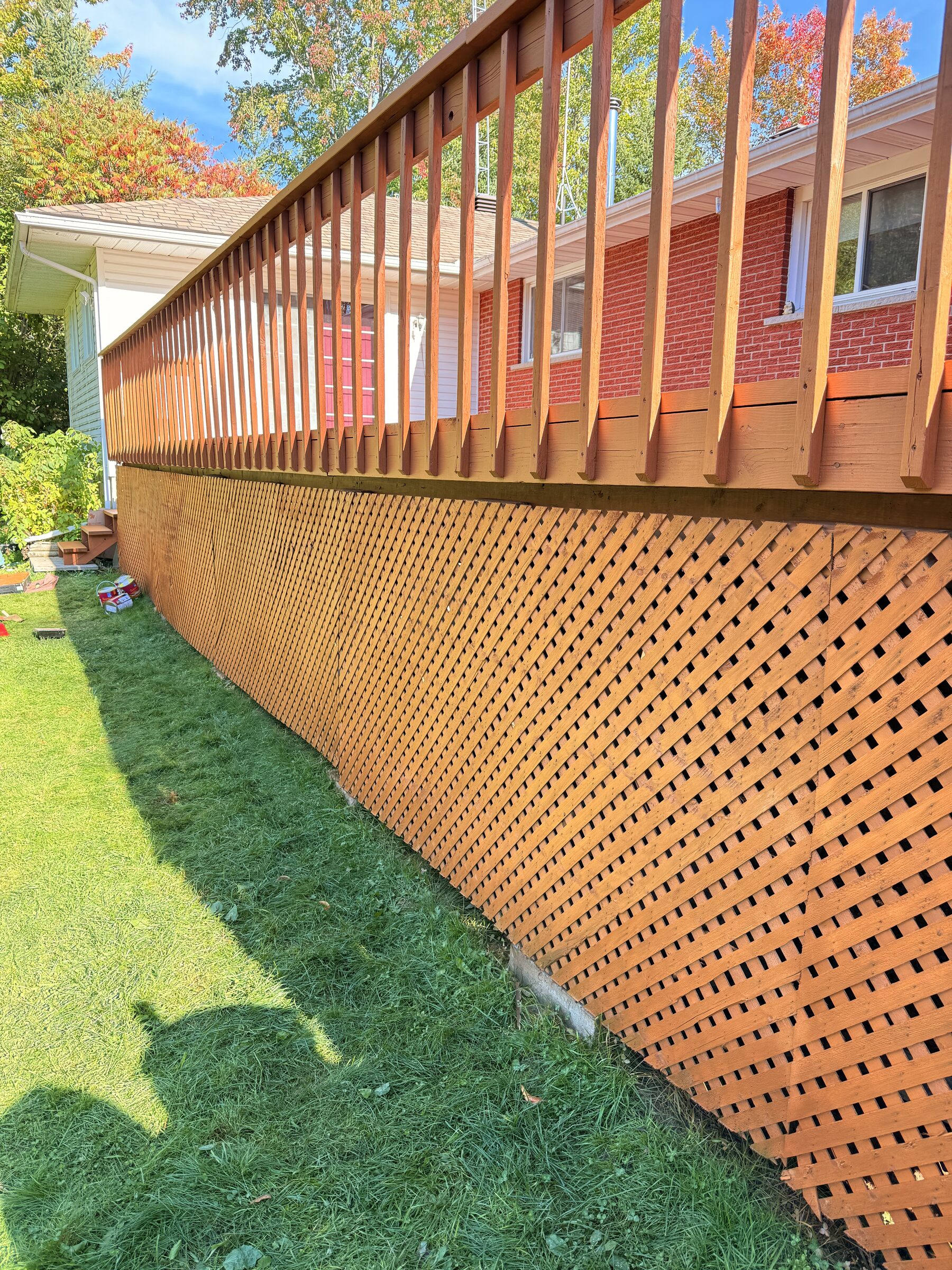
- Deck wear. A horizontal deck in full sun breaks down faster than any wall. A penetrating stain that wears away gradually is easier to keep up than a thick deck paint that peels in sheets. Our deck staining page explains the options.
- Moisture in the wood. Wood has to be dry before it's coated. After a wash or a wet week, decks and fences need a few dry days first, or the coating can blister when the sun heats the trapped water.
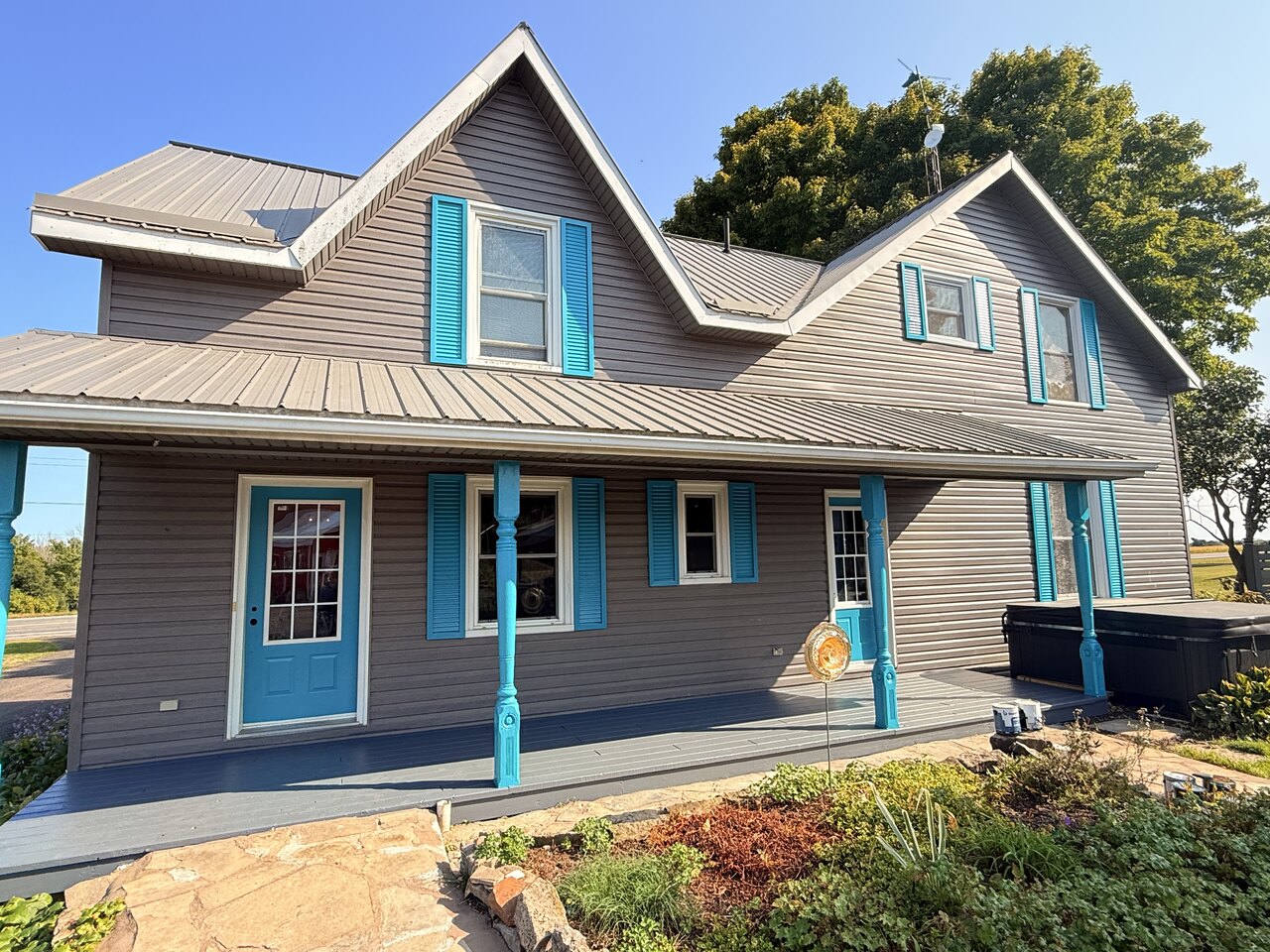
Two of the decks in our gallery are from Osgoode, one beside a pool, and both show the same thing: clean, dry, sound wood first, then stain.
4. Older farmhouses: test before you sand
Many homes in the valley villages are old, and some have been painted a dozen times. That brings two jobs a newer house doesn't have.
Lead paint. Health Canada advises that homes built before 1960 very likely have lead-based paint somewhere, and homes built up to 1990 may have it in some layers. It's only a hazard when it's disturbed: dry sanding, scraping or heat-stripping releases lead dust. On an older home, the old paint should be tested before any surface prep, and if lead is present the prep has to be done in a way that keeps the dust contained. Ask about it up front.
Layers that no longer stick. On an older home the newest paint is only as good as the oldest coat under it. Where old layers are lifting, they have to be scraped back to a sound edge and spot-primed. Painting over loose paint looks fine for a summer, then the whole stack lets go.
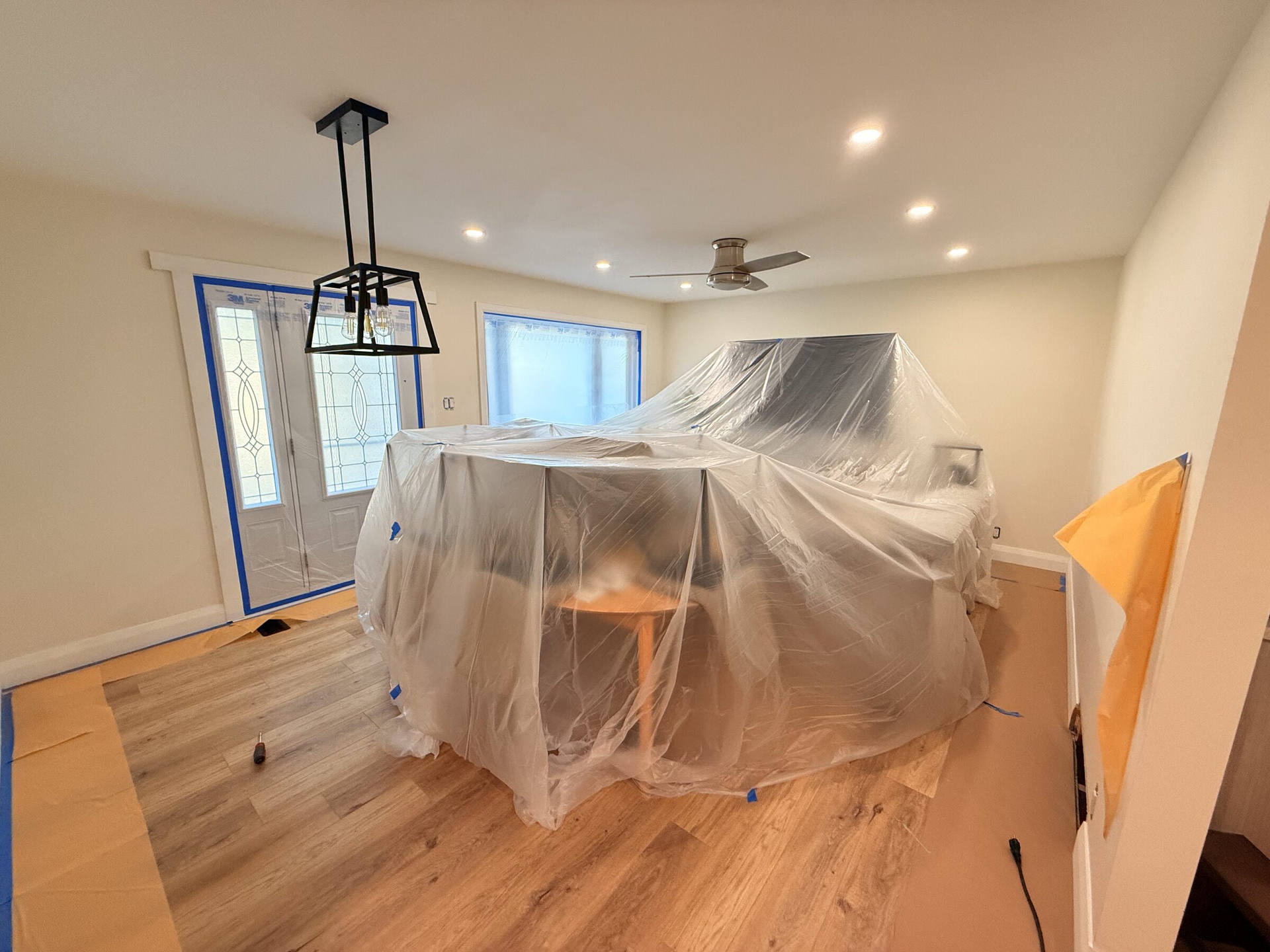
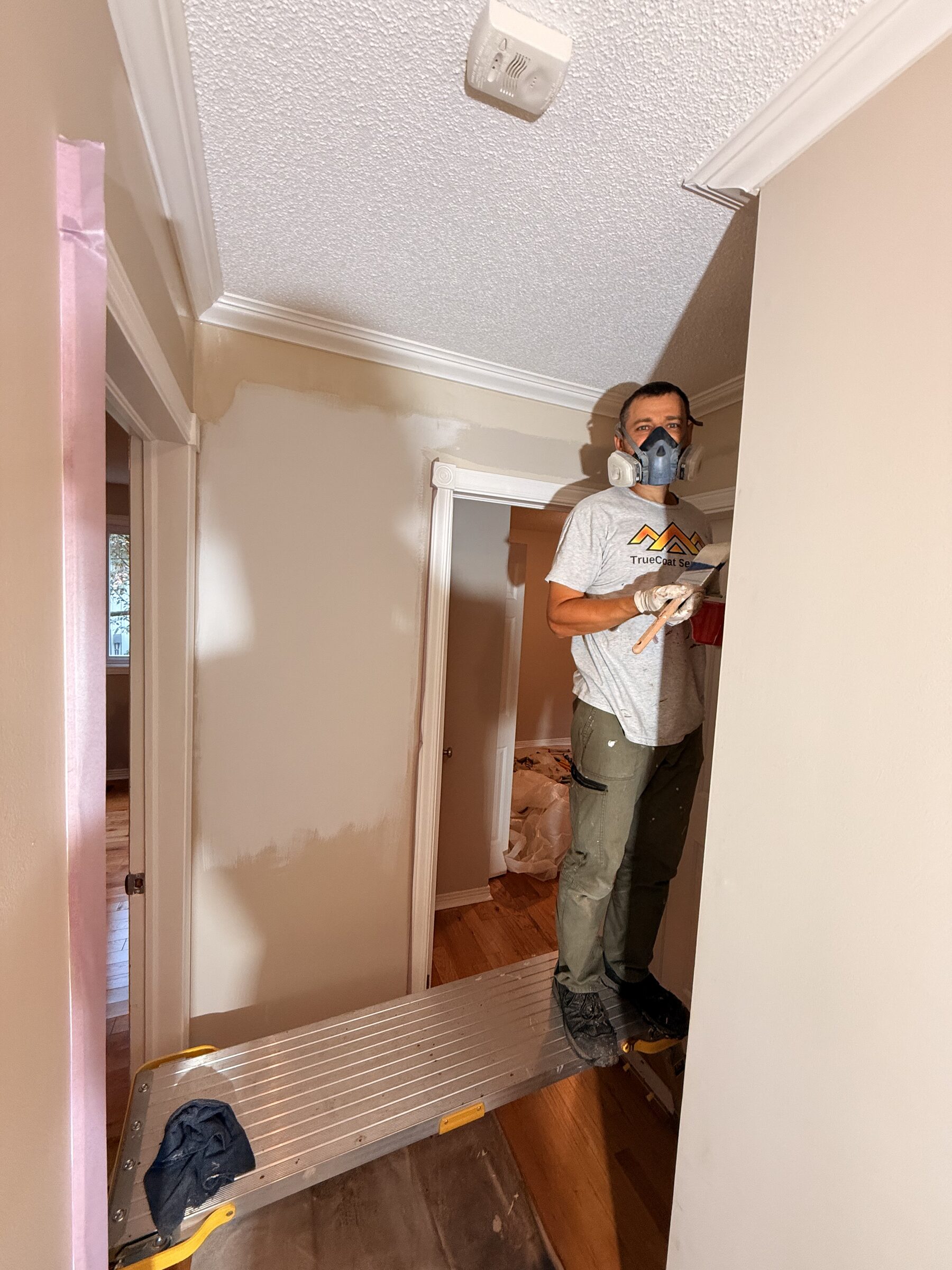
Inside, older homes often have plaster walls, deep window casings and original trim. Plaster cracks get repaired and primed before paint, and old trim is usually worth restoring rather than replacing. Our interior painting and drywall repair work covers both.
5. Outbuildings, garages and fences
A rural property is rarely just the house. Detached garages, sheds, fences and decks all weather at different speeds, and they're easiest to do while the crew and equipment are already on site. A garage door we refinished in Kemptville is in our gallery: masked off, sprayed, and the panel detail picked out.
If you're getting a quote for the house, list everything else you'd like looked at. It's often cheaper per item to do them together than to book them separately later.
6. The season is short: book early
Most exterior paints and stains need warm, dry conditions to cure. Many are rated for application at about 10°C and up, and dew or a cold night slows the cure. Out here the reliable exterior window runs from about May to early October, and the best weeks book up first.
If you want exterior work done next season, the time to get an estimate is late winter or early spring. Interior painting and drywall repair can be booked year-round.
Get an estimate
TrueCoat Services is a family-owned, fully insured painting company serving Ottawa and the Rideau Valley villages. Whether it's the house, the deck, the garage or all three:
Request a free estimate: send us a few photos, or book a visit and we'll walk the property with you.