2026-09-25 — TrueCoat Services
How Long Exterior Paint Lasts in Manotick, and What Makes It Fail Early
How Manotick's Rideau River microclimate affects exterior siding, wood decks, and interior drywall, why pressure washing is required before painting, and how to maintain estate finishes.
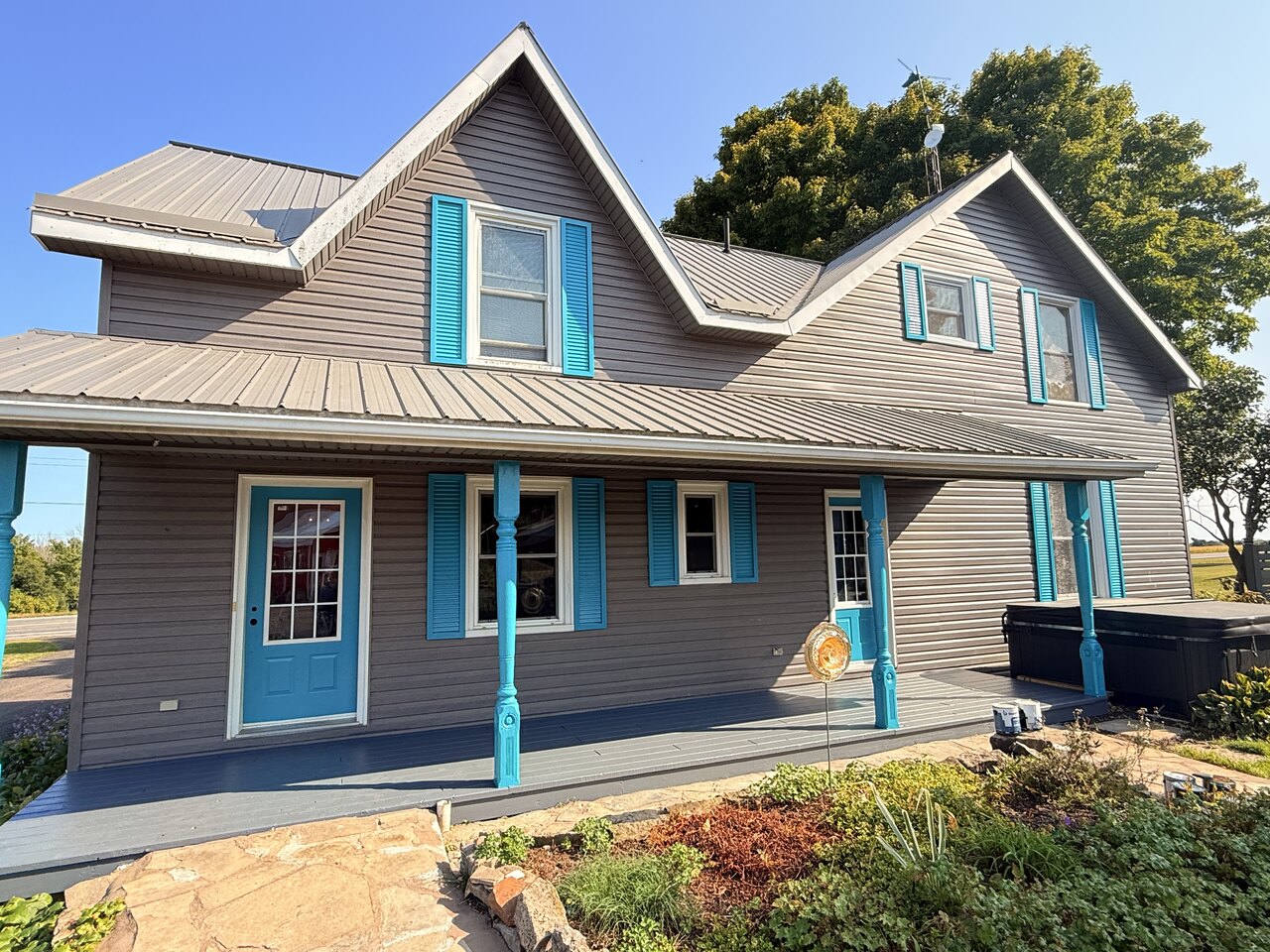
> Quick Answer (At a Glance): Homes along the Rideau Valley and throughout Manotick face unique moisture and sun exposure challenges. River humidity accelerates mildew growth on siding, while wide-open estate lots experience intense UV weathering on south- and west-facing wood decks. Painting or staining over unwashed surfaces guarantees peeling within 18 months. Proper exterior finishing in Manotick requires low-pressure soft washing to sanitize algae spores, moisture testing wood below 15% before coating, and applying penetrating oil- or water-borne hybrid stains. Interior projects in Manotick's high-ceiling homes require high-durability, scuff-resistant low-VOC coatings with precise trim cut-ins.
Manotick isn't like downtown Ottawa. The properties are larger, the architecture ranges from century stone and timber homes near the mill to sprawling modern builds in Mahogany, and the river valley climate exerts steady pressure on exterior finishes.
If you own a home in Manotick, exterior maintenance isn't just about curb appeal. It's about protecting building materials from relentless freeze-thaw cycles, river dampness, and intense summer UV.
Here is how TrueCoat approaches interior painting, exterior surface preparation, and deck restoration across Manotick and surrounding rural communities.
---
1. The Rideau River Microclimate: Why Coatings Fail Early
Properties bordering the Rideau River, Long Island, and nearby low-lying terrain stay damper longer in spring and fall than homes in urban Ottawa.
That microclimate creates three specific issues: 1. Biological Growth (Algae & Mildew): North-facing soffits, siding, and shaded porch decking quickly develop green algae and black mildew blooms. If you paint or stain directly over these spores, the fungi feed on the oils in the paint film, causing bubbling and black staining from underneath. 2. Moisture Trapping in Cedar and Pressure-Treated Lumber: Heavy morning river fog penetrates exterior wood grain. Applying a solid film-forming coat over wood with higher than 15% moisture content creates hydrostatic pressure when summer sun hits, blistering the paint off the wood. 3. Severe Wind-Driven UV Exposure: Homes on multi-acre estate lots lack the natural shading of dense city neighborhoods. Horizontal deck surfaces and west-facing exterior cladding take extreme thermal shock, cycling between +32°C baking heat and -25°C winter snow blankets.
---
2. Surface Preparation: Why Pressure Washing Must Precede Every Exterior Job
The longevity of an exterior paint or deck staining job is determined before a single can of coating is opened.
A standard garden hose spray won't remove oxidation, chalking, or dead wood fibers. Conversely, blast-washing wood with a 3,500 PSI zero-degree tip will gouge the soft cedar grain and leave splintered furring that ruins the finish.
Soft Washing vs. High-Pressure Stripping For house siding (vinyl, fiber cement, engineered wood, or painted brick), we use a soft wash process: - We apply an eco-friendly biocidal cleaning solution at low pressure (under 300 PSI). - The solution breaks down organic grime, spider webbing, and airborne pollutants while killing mildew roots. - We rinse with high-volume, low-pressure clean water, protecting window gaskets and keeping water out of exterior wall cavities.
For aged wood decks and fences in Manotick and Stittsville, controlled pressure (800–1,200 PSI) with a wide-angle fan tip is paired with sodium percarbonate wood cleaners to lift weathered gray fibers and reveal sound, golden lumber.
---
3. Deck Staining vs. Deck Painting: Making the Right Choice for Manotick Decks
Homeowners frequently ask whether they should paint or stain their outdoor living spaces.
| Finish Type | Recommended For | Durability in Ottawa Winters | Maintenance Cycle |
|---|---|---|---|
| Penetrating Semi-Transparent Stain | Newer cedar, spruce, or sound pressure-treated wood | Will not peel or blister; breathes with wood expansion. | Clean and re-apply a light maintenance coat every 2–3 years. |
| Semi-Solid / Solid Color Stain | Older decks with minor checking, mismatched boards, or sun bleaching | High UV opacity; hides color variations while allowing moisture vapor to escape. | 3–5 years before traffic paths need attention. |
| Acrylic Deck Paint / Elastomeric Coating | Heavily weathered or previously painted decking | Forms a thick, opaque film. High risk of peeling if moisture enters from board undersides. | Requires stripping if ground moisture gets trapped underneath. |
In almost all cases on open Manotick lots, a high-quality penetrating stain outperforms thick deck paint. Stains wear down gradually through traffic rather than flaking off in large sheets, making future maintenance straightforward with zero sanding or scraping required.
---
4. Interior Painting for Manotick Residences: Trim, Millwork, and High Ceilings
Inside Manotick homes, the architectural scale creates specific demands: - Cathedral and Great Room Ceilings: Vaulted ceilings and tall stairwells with large windows require zero-lap-mark ceiling paints (ultra-flat dead paints that do not flash under side lighting). - Extensive Millwork & Wainscoting: Formal dining rooms and entryways often feature detailed wainscoting, crown moulding, and architectural casing. We spray or hand-lay doors and trim with urethane-fortified enamels that level out glass-smooth and resist everyday scuffs. - Color Tuning with Natural Light: Because Manotick homes often have high tree canopies, southern light changes drastically between summer foliage and bare winter branches. We assist homeowners in testing large-format real-paint sample boards directly in room light rather than guessing from tiny 2-inch paper chips.
---
5. The Seasonal Exterior Window in Eastern Ontario
Because exterior acrylic coatings and wood stains require minimum substrate temperatures (typically +10°C) and stable curing conditions without heavy dew, the active exterior painting window in Manotick runs from May through early October.
Booking exterior pressure washing, siding painting, and deck restoration in late winter or early spring ensures your property is scheduled during ideal humidity windows before summer heat waves set in.
---
Book Your Manotick Home & Deck Assessment
Whether you are looking to refresh your interior walls before the holidays, protect an exterior wood deck, or wash and repaint siding:
Schedule a Free Manotick Consultation — Request a site walk-through or call us at (343) 630-4404. We will inspect your surfaces, measure square footage, and deliver a detailed, itemized quote.